
Experienced Lawyers In Louisiana


Louisiana’s New Hands-Free Law: What Drivers Need to Know About Cell Phone Use While Driving
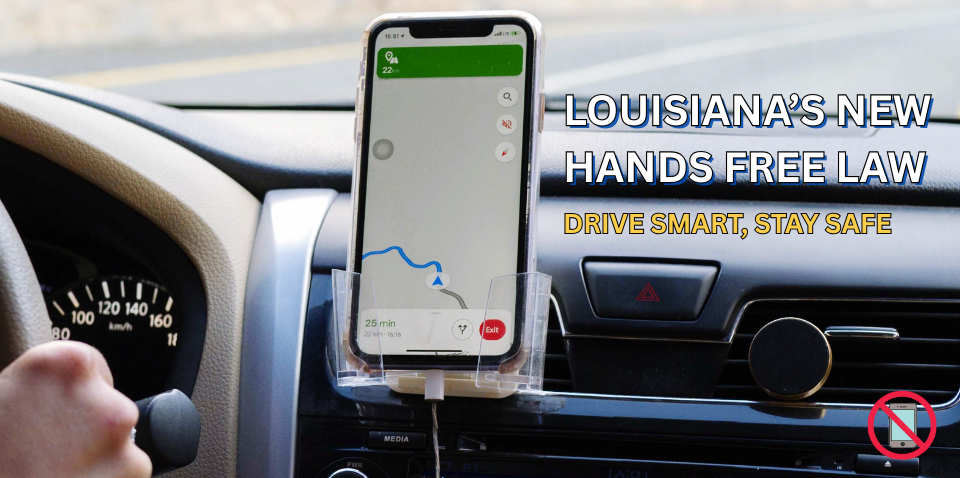
Louisiana has just rolled out new laws aimed at making the state’s roads safer by reducing distracted driving. The new hands-free law, which went into full effect in 2026, imposes strict regulations on cell phone use while driving.
For Louisiana drivers, this means fines, penalties, and an overall shift toward safer driving practices. Here’s everything you need to know about Louisiana’s new phone laws, how they impact you, and how to stay compliant with this important legislation.
What is Louisiana’s New Hands-Free Law?
Louisiana’s new hands-free law means drivers must keep their phones down while driving. No more texting, scrolling, or holding your phone to make calls. Instead, you’ll need hands-free options like Bluetooth headsets, speakerphones, or mounted phone holders to interact with your device.
This law applies to all Louisiana roads—highways, city streets, and rural routes—and aims to reduce the distractions caused by smartphones. The goal? To cut down on accidents and save lives by minimizing distracted driving.
Why Louisiana’s Hands-Free Law Matters: A Step Towards Road Safety
Distracted driving is a top cause of accidents, and texting behind the wheel is particularly risky. Just five seconds of inattention is enough to lose control, like driving a football field blindfolded! Louisiana’s hands-free law aims to boost road safety by cutting down on distractions and reducing crashes.
Whether it’s texting, making calls, or using GPS, taking your eyes off the road is dangerous. Switching to hands-free tech not only prevents accidents but keeps everyone safer. With fines for distracted driving now in place, staying compliant has never been more crucial.
What Are the Penalties for Violating Louisiana’s Hands-Free Law?
Breaking Louisiana’s hands-free law can get expensive fast. Here’s a quick breakdown of the penalties:
- First Offense: Up to $100 fine.
- Second Offense: Up to $300 fine.
- Third Offense or More: Up to $300 fine, plus possible license suspension.
In school zones and construction zones, fines rise to $250. These fines are more than just a hit to your wallet—they can also raise your insurance premiums and, in case of an accident, be seen as negligence, affecting your personal injury claim. Stay hands-free to avoid the consequences!
What Are the Exceptions to the Law?
While Louisiana’s hands-free law is strict, there are a few exceptions. You are allowed to use your cell phone when:
- Your vehicle is stationary (parked or pulled over—not at a red light).
- You are calling 911 in an emergency.
- You are an emergency responder or law enforcement officer performing official duties.
If you need to use your phone for navigation, it must be mounted and cannot be held. Always enter your GPS information before driving—doing it while moving, even at a stoplight, is illegal.
How to Stay Compliant with Louisiana’s Hands-Free Law
To avoid fines and stay compliant with Louisiana’s new law, here are some helpful tips for drivers:
- Use Hands-Free Devices: Invest in a Bluetooth device, car speakerphone, or phone mount. These devices let you make calls and use GPS without taking your hands off the wheel.
- Enter GPS Info Before Driving: To ensure your phone stays safely mounted, always input navigation addresses before you start driving.
- Pull Over Safely: If you need to handle your phone for any reason, pull over to a safe spot, like a parking lot, before doing so.
- Stay Aware in School & Construction Zones: Be extra cautious in these areas—violations here come with higher fines.
By following these simple steps, you’ll help keep Louisiana’s roads safer and avoid costly fines.
Why Distracted Driving is So Dangerous and How the Law Aims to Prevent It
Distracted driving, especially phone use, drastically increases the risk of accidents. With constant notifications, it’s easy to get distracted. But just a few seconds on your phone can cause a fatal crash.
In Louisiana, distracted driving accidents are on the rise, with many drivers texting, scrolling, or using GPS without realizing the danger. This new law is Louisiana’s way of protecting drivers and preventing unnecessary crashes and fatalities.
The law isn’t just about reducing distractions; it’s about keeping drivers alert and making roads safer for everyone. Whether you’re driving across Louisiana or just down the street, switching to hands-free phone use makes the road safer for all.
What You Should Know About Insurance and Legal Implications
It’s crucial to understand how the hands-free law can impact your insurance rates and legal standing if you’re in an accident. If a distracted driver causes a crash and violates the hands-free law, it strengthens the case for negligence, potentially leading to higher compensation for the victim in personal injury claims.
From an insurance standpoint, violating the hands-free law can raise your premiums. Insurance companies factor in violations when setting rates, and a traffic citation for phone use behind the wheel could make your coverage more costly.
Take Action Today—Drive Safely and Stay Hands-Free
Louisiana’s new law isn’t just about avoiding fines—it’s about making Louisiana’s roads safer for everyone. Whether commuting, running errands, or driving through rural areas, staying hands-free is the best way to protect yourself and others.
At Gordon McKernan Injury Attorneys, we care about Louisiana’s drivers. If you or a loved one has been injured by a distracted driver, our skilled attorneys are here to help. We’ll guide you through the legal process and fight for the compensation you deserve.
Don’t let a phone cause a crash—stay safe, stay hands-free, and keep Louisiana’s roads accident-free. Contact us for a free consultation and learn your legal rights.

Injured? Get a FREE Consult Now!
Let Our Team Fight For You!
If you or a loved one has been injured, don't wait— contact Gordon McKernan Injury Attorneys today for a free consultation. Our team is ready to fight for you and secure the compensation you deserve.
With over 30 years of experience, a proven track record of success, and a commitment to client care, we are the best personal injury attorneys in Louisiana to handle your case.
Call us now or fill out our online form. No Fee Unless We Win!
Your Case Matters—Let's Get It Done!
Office Locations
Denham Springs Office
163 Del Orleans Ave., Denham Springs, LA 70726

Gonzales Office
220 S. Burnside Ave. Gonzales, LA 70737

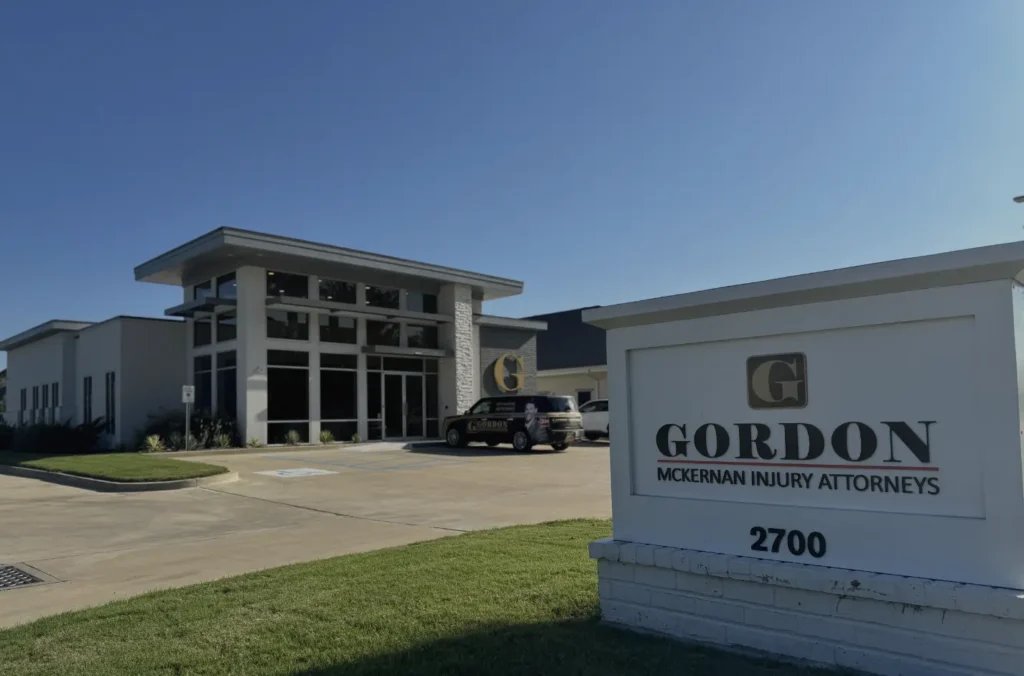

New Orleans Office
4241 Veterans Memorial Blvd, Suite 15 Metairie, LA 70006


Zachary Office
4361 Main St. Zachary, LA 70791
© 2026 Gordon McKernan Injury Attorneys.