
Experienced Lawyers In Louisiana


Offshore & Maritime Injury Lawyer in Louisiana
Home »
Injured? Get Gordon!
No Fee Unless We Win
I’ll win your case, or you don’t owe me a dime. No costs, no expenses, no fee. Nothing.
Injured? Get a FREE Consult Now!
Areas We Serve
Best Louisiana Offshore Injury Lawyers Near Me
Free Consultations for Offshore and Maritime Injury Victims
One bad moment on a rig can change everything. A dropped load, a flash fire, a slick deck, or a basket transfer gone wrong can send an offshore worker home with injuries that never fully heal. The bills start arriving long before the paperwork gets sorted out.
Offshore claims do not follow the same rules as a car wreck or an ordinary work injury. Federal maritime law decides what you can recover, who you can hold responsible, and how long you have to act. Getting that first question wrong can cost you the entire claim.
At Gordon McKernan Injury Attorneys, our Louisiana offshore injury lawyers represent workers hurt on rigs, platforms, boats, barges, and docks across the state. Our firm has recovered approximately $3 Billion for injured people and their families, including 230+ Million dollar verdicts and settlements.
If you were hurt offshore, we are ready to fight for you.
Types of Offshore & Maritime Injuries Our Louisiana Lawyers Handle
We handle claims from drilling rigs, production platforms, supply boats, tugs, barges, dive operations, shipyards, and docks. If you were hurt in an oil rig accident or in an offshore helicopter crash during a crew change, we can help.
Some injuries happen on the shore side of the same industry. Longshore Act coverage depends on the injury occurring on navigable waters or in an adjoining area used for vessel work, so an oil refinery or plant injury inland usually runs through Louisiana workers’ compensation or state injury law instead. We handle both, and we will tell you which track you are on.
Louisiana Offshore & Maritime Injury Statistics
Offshore energy work carries hazards that most jobs never involve. Federal regulators require operators to report serious incidents on the Outer Continental Shelf, so there is a public record of what happens out there each year. Here are the reported totals for 2025, the most recent full calendar year.
192
injuries reported on the Outer Continental Shelf
182
fires reported on the Outer Continental Shelf
401
lifting incidents reported on the Outer Continental Shelf
Source: Bureau of Safety and Environmental Enforcement, Offshore Incident Statistics
If unsafe conditions or someone else’s mistake put you in a hospital bed, you have the right to ask what you are owed.
Our Attorneys


Which Law Covers Your Offshore Injury?
This is the threshold question in every offshore case. The answer turns on your job duties, the structure you were working on, and where the injury happened. It also controls what you can recover and how you have to file.
| Law | Who it generally covers | What it provides |
|---|---|---|
| Jones Act, 46 U.S.C. § 30104 | Seamen, meaning crew with a substantial connection to a vessel in navigation | A negligence action against your employer, with the right to a jury trial |
| Longshore and Harbor Workers’ Compensation Act, 33 U.S.C. § 901 et seq. | Maritime workers who are not vessel crew, such as longshore workers, ship repairers, shipbuilders, and harbor construction workers | Federal workers’ compensation benefits, including medical care and wage benefits |
| Outer Continental Shelf Lands Act, 43 U.S.C. § 1333(b) | Workers hurt in natural resource operations on the Outer Continental Shelf, not counting vessel crew | Longshore Act benefits, extended to shelf operations |
| Death on the High Seas Act, 46 U.S.C. § 30302 | Families of workers killed beyond 3 nautical miles from the shore of the United States | A wrongful death action brought by the estate for a spouse, parent, child, or dependent relative |
Under the Longshore Act, wage benefits run at roughly two-thirds of your average weekly wage, within the maximum and minimum rates federal law sets. The shelf act reaches natural resource work out on the shelf, and it does not count a master or crew member of a vessel as a covered employee. That single distinction can send two workers standing side by side down completely different legal paths.


Do You Qualify as a Seaman Under the Jones Act?
Seaman status decides whether you can sue your employer for negligence. Employers fight this point hard, because a worker who is not a seaman has a much narrower road to recovery.
The Supreme Court set a two-part test. First, your duties have to contribute to the function of the vessel or to the accomplishment of its mission. Second, you need a connection to a vessel in navigation, or to an identifiable group of vessels, that is substantial in both how long it lasts and what it involves.
The Court also gave lower courts a rough guide. A worker who spends less than about 30 percent of his time in the service of a vessel in navigation should not qualify. The Court was careful to call that number a guideline rather than a hard cutoff.
Your job title does not settle it. What matters is the work you actually did and your real relationship to the vessel. Our Jones Act lawyers in Louisiana build that record with crew schedules, assignment logs, and testimony from the people who worked beside you.
What Maintenance and Cure Covers While You Heal
Seamen hold a right that has been part of maritime law for centuries. If you are hurt in the service of a vessel, your employer owes you maintenance and cure.
The Supreme Court has explained that maintenance covers food and lodging at the ship’s expense. Cure covers your medical treatment. This duty comes from general maritime law rather than from the Jones Act, so it exists alongside any negligence claim you bring.
Employers and their insurers sometimes cut these payments off early, or set them at a figure that covers almost nothing. The Court has held that punitive damages remain available when an employer willfully and wantonly disregards the obligation to pay maintenance and cure.
If your payments stopped, that is worth a call today. Our maritime injury attorneys in Louisiana work to get them restarted while your injury claim moves forward.
Deadlines That Can End Your Offshore Injury Claim
Missing a deadline can end a strong case before anyone looks at the facts. Offshore claims often run on several clocks at once, and those clocks do not start or stop together.
Maritime personal injury and death
Federal law gives you 3 years from the day the cause of action arose to bring a civil action for damages from a maritime tort, unless another law provides otherwise.
Longshore Act claims
Notice of the injury has to be given within 30 days, in writing, to the deputy commissioner and to your employer. The claim itself has to be filed within 1 year after the injury or death, or within 1 year of the last compensation payment made without an award. That clock does not begin to run until you are aware, or reasonably should be aware, that your injury is connected to your employment.
Louisiana state law claims
Where Louisiana law governs part of your case, delictual actions carry a two-year prescription that runs from the day the injury or damage is sustained. That two-year period took effect on July 1, 2024. Injuries from before that date fall under the earlier rule, which was shorter. If your accident happened before July 2024, call us today rather than assuming you have two years.
Occupational disease claims, hearing loss claims, and claims involving minors follow separate timelines. Please do not guess at your deadline. Let us check the dates against your job and your injury.


Who Can Be Held Responsible for an Offshore Accident
Offshore worksites put several companies in the same place at the same time. A vessel owner, your direct employer, a platform operator, and a few contractors may all be working within a few feet of each other. More than one of them can share legal responsibility for the same accident.
Depending on the facts, an experienced Louisiana offshore accident lawyer looks at:
- Your employer, for negligence under the Jones Act
- Vessel owners and operators
- Platform and rig operators
- Third-party contractors and their crews
- Equipment manufacturers and suppliers
- Maintenance and inspection companies
Sorting out who did what takes real investigation. Crew logs, inspection records, job safety analyses, and equipment histories tell a story that an early settlement offer never will. Our personal injury lawyers track down every party that had a hand in what happened to you.
Speak With a Louisiana Offshore Injury Lawyer Near You Today
You did the work. You took the risk. You should not have to fight your employer’s insurance company by yourself while you are trying to heal.
If you or someone in your family was hurt offshore in Louisiana, Gordon McKernan Injury Attorneys is ready to take this on. We will work out which law applies, who is responsible, and what your claim is actually worth.
Call 888.501.7888 today for a free consultation.
With our No Fee Unless We Win promise, you pay nothing unless we recover compensation for you. That is the G Guarantee.
When you need results, Get Gordon. Get It Done.
Prior results do not guarantee a similar outcome. Results may vary depending on the facts and circumstances of each case. Viewing this website or contacting the firm does not create an attorney-client relationship.
Compensation Available After an Offshore Injury
What you can recover depends on which law governs your claim. A Jones Act or general maritime claim reaches areas that a workers’ compensation benefit schedule does not.
Depending on the law that applies, we pursue:
- Emergency care, surgery, and long-term treatment
- Future medical needs
- Lost wages and reduced earning capacity
- Pain and suffering
- Disability and disfigurement
- Maintenance and cure payments your employer owes
- Wrongful death damages for surviving family
Under the Death on the High Seas Act, recovery takes the form of fair compensation for the pecuniary loss the family members sustained, and the court apportions it among them in proportion to each person’s loss.
Insurance companies know these cases are expensive to defend. That is exactly why the first offer usually arrives early and low.
Mistakes to Avoid After an Offshore Accident
The first few days shape everything that follows. A handful of common mistakes make offshore claims much harder to win.
- Not reporting the injury to a supervisor right away
- Letting the accident report get written without reading it
- Skipping medical treatment or playing down your symptoms
- Signing statements, releases, or settlement papers without a lawyer
- Giving a recorded statement to a company representative
- Posting about the accident on social media
- Waiting until a deadline is close before asking questions
If you already did one of these, please do not panic. Tell us anyway. Knowing about it early is what lets us plan around it.
How Our Louisiana Offshore Injury Lawyers Build Your Case
We start with a free consultation. We listen to what happened, walk you through the laws that may apply, and give you a straight read on your options.
If you hire our firm, our team gets to work on:
- Determining whether you qualify as a seaman
- Preserving vessel logs, inspection records, and equipment
- Locating and interviewing crew members who saw it happen
- Working with marine engineers and safety experts
- Documenting your injuries with your treating physicians
- Identifying every liable party and every insurance policy
- Handling the calls from employers, adjusters, and insurers
- Preparing your case for trial when a fair settlement does not come
While we build your claim, you can focus on healing. over 180 employees, including 130+ staff and 47 attorneys stand behind your case, backed by 679+ years of combined legal experience.
Where We Serve Injured Offshore Workers in Louisiana
Offshore work touches nearly every corner of this state. Crews live inland and drive to the coast for their hitch, so we handle offshore claims from Louisiana communities far from the water.
Along the coast and through the bayous, we serve injured workers from our Houma, Lafayette, Lake Charles, and New Orleans offices.
Across the capital region, offshore families work with our teams in Baton Rouge, Gonzales, Denham Springs, and Zachary. We also represent offshore workers in Hammond, Opelousas, Alexandria, and Shreveport.
The law that governs an offshore claim is largely federal, no matter which parish you call home. What changes is who is close enough to sit down with you.
Don’t Wait — Talk to a Louisiana Offshore & Maritime Injury Lawyer Today
At Gordon Mckernan Injury Attorneys, we understand that emotional and physical recovery come hand and hand after an injury or accident. We also know that you may not have the energy or time to fight with an insurance company and the complexities of your personal injury claim.

How It Works
Filing a claim with Gordon Mckernan Injury Attorneys is easy!
Simply follow the steps below.
Get Your Free Consultation
Fill out our quick and easy form to find out if your case qualifies. Our consultations are free and confidential, and we are here to help whether you hire us or not!
Hear From An Attorney
Our team will evaluate your case and decide on the best course of action. One of our lawyers will get back to you promptly and begin the process of winning your case!
Get Gordon!
Get It Done!
Once your case has been evaluated and deemed a good fit for our firm, our team will go to work immediately on gathering evidence, building your case, and getting you the compensation that you deserve.


Excellent


Settlements & Verdicts


$6,000,000
Accident on oil platform causes brain damage
Oil rig worker settles for $6 million after suffering extensive facial fractures and brain damage.

$6,000,000
An explosion on boat causes burns on 70% of seaman’s body.
Oil rig worker settles for $6 million after suffering extensive facial fractures and brain damage.

$5,000,000
British Petroleum Gulf of Mexico explosion causes wrongful death
The British Petroleum Gulf of Mexico explosion in 2010 was responsible for the wrongful death of our client.
$2,400,000
Well blow Out Causes Severe Injuries
Our client, an inland drilling barge worker, suffered severe and permanent injuries after a well blow out.

$1,600,000
Offshore accident resulting in leg amputation
Our client was involved in an offshore accident that resulted in a leg amputation.
$250,000
63 Year Old Pipe Welder Working on Barge in Gulf
Settlement for pipe welder suffering rib and back injuries after being transferred from a tug boat to barge when basket became entrapped on barge equipment.
$125,000
Rough Seas Maritime Injury
Our client was involved in a maritime injury case that resulted from rough seas and a lower back injury, which resulted in a $125,000 settlement.
$8,000,000
Explosion on boat causes burns over seaman’s body
An explosion on boat causes burns on 70% of seaman’s body.






Frequent Answered
Questions
Offshore & Maritime Injury Lawyer in Louisiana Blog Posts

Injured? Get a FREE Consult Now!
Let Our Team Fight For You!
If you or a loved one has been injured, don't wait— contact Gordon McKernan Injury Attorneys today for a free consultation. Our team is ready to fight for you and secure the compensation you deserve.
With over 30 years of experience, a proven track record of success, and a commitment to client care, we are the best personal injury attorneys in Louisiana to handle your case.
Call us now or fill out our online form. No Fee Unless We Win!
Your Case Matters—Let's Get It Done!
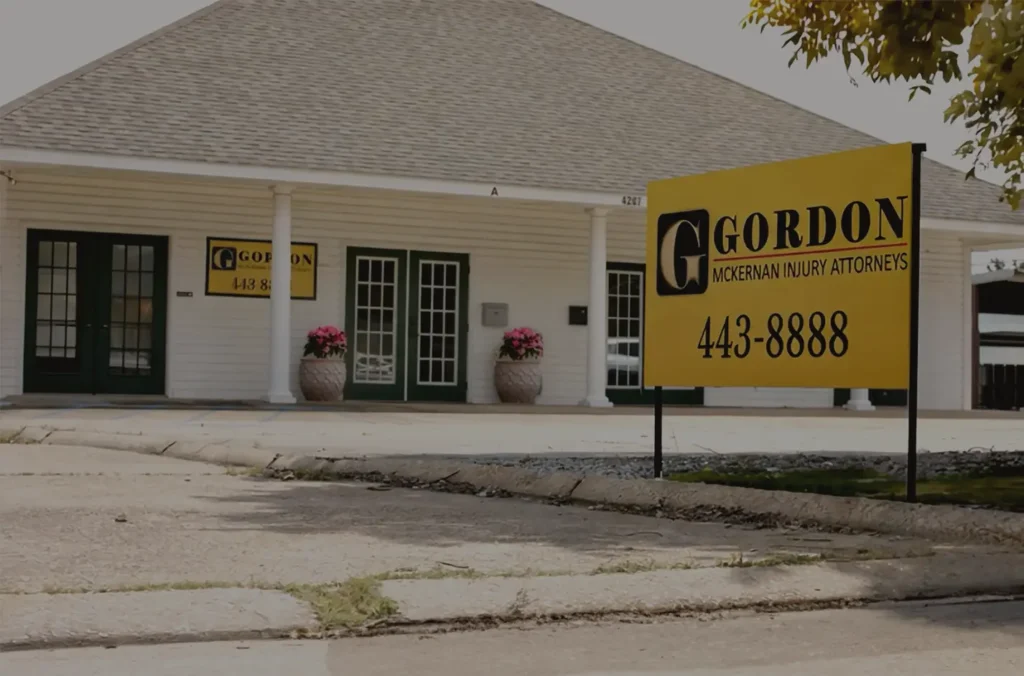
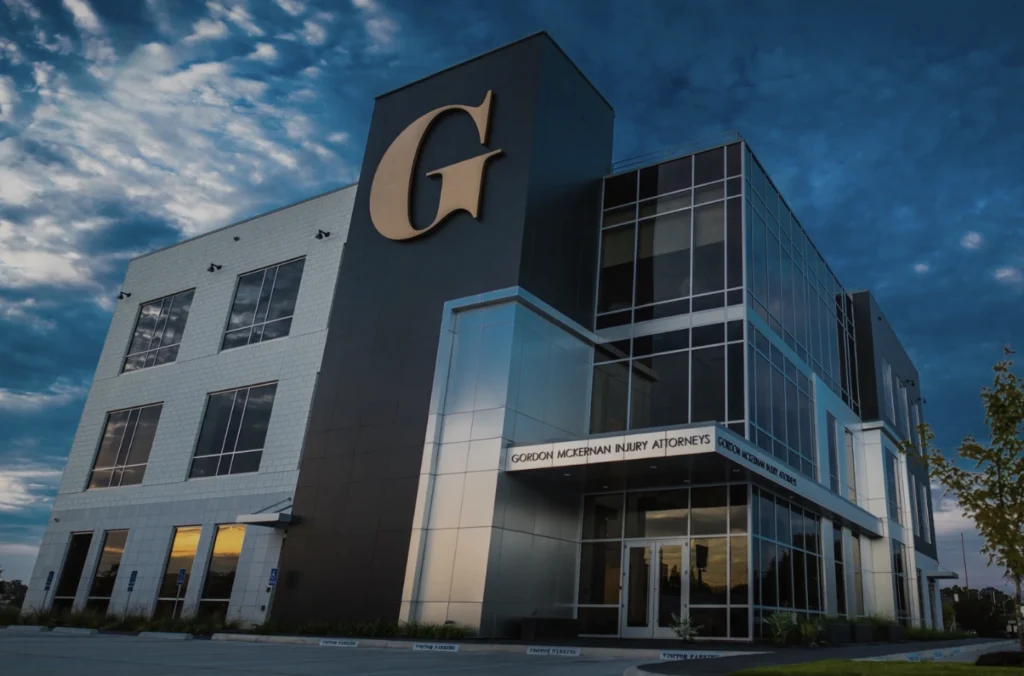
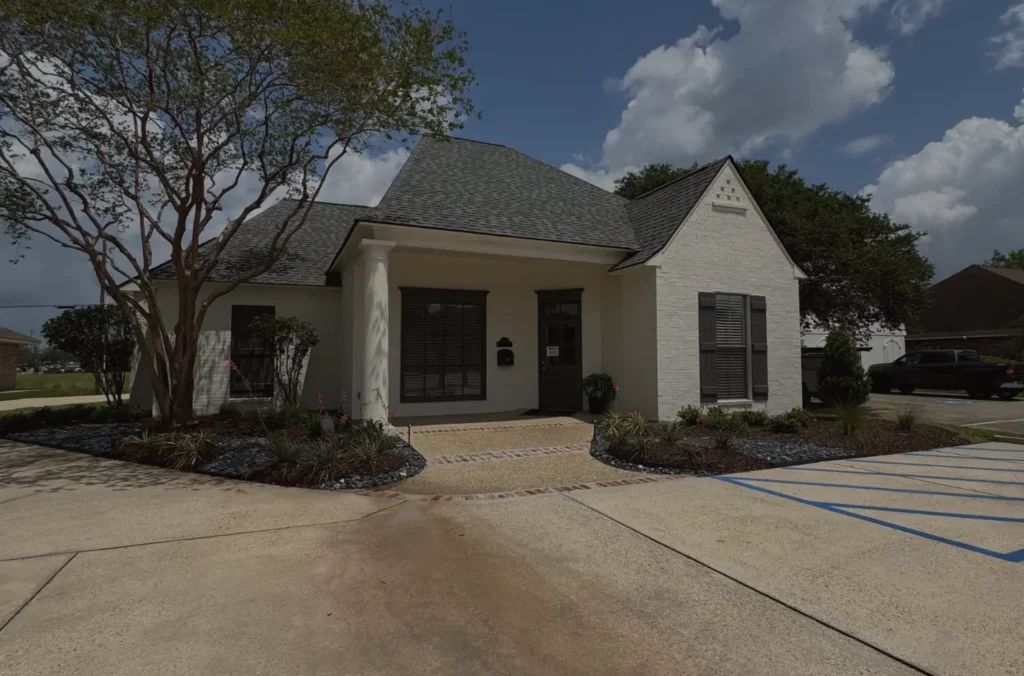
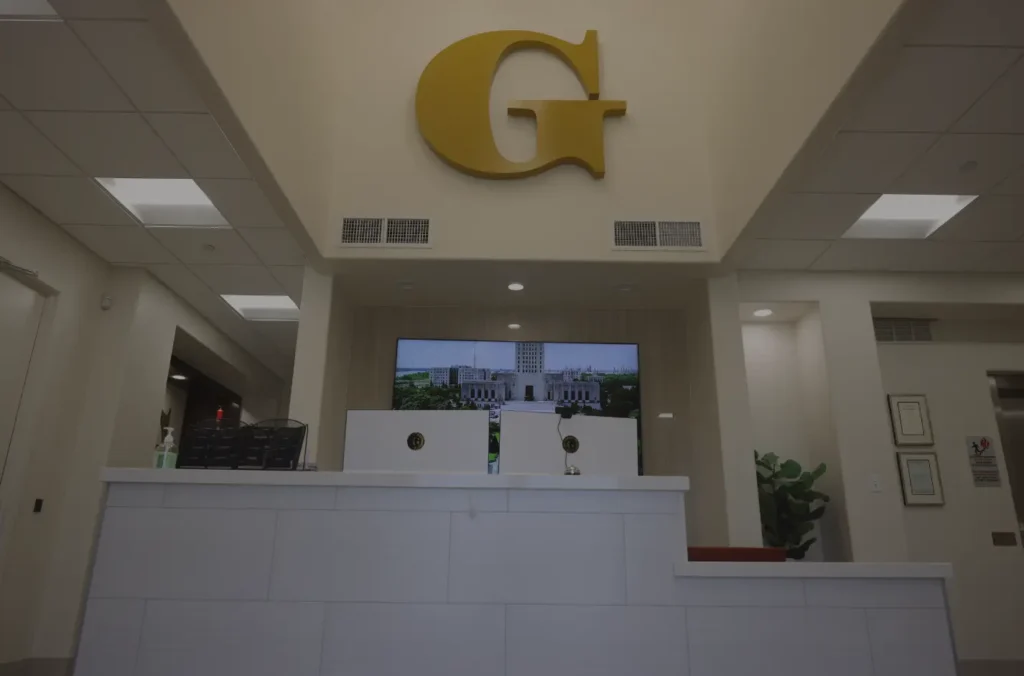
Office Locations
© 2026 Gordon McKernan Injury Attorneys.
