
Experienced Lawyers In Louisiana


What To Do After a Louisiana Car Accident

The moments right after a car wreck are chaos. Your heart is pounding, your hands are shaking, and you’re trying to figure out what just happened.
Here’s the thing: what you do in those first minutes and hours matters more than most people realize. After a Louisiana car accident, the steps you take immediately after the crash can affect both your physical recovery and your ability to recover any personal injury claims..
Whether you were involved in a car accident, truck accident, or another serious traffic collision, protecting evidence early is critical.
This guide walks you through each step, from the moment of impact to the moment you have an attorney fighting for what you deserve.
Step 1: Get Out of Danger
Your first priority is making sure everyone is physically safe.
If you can move your vehicle, pull it off traffic lanes and onto the shoulder. Turn on your hazard lights.
If someone appears seriously injured, do not move them. Moving an injured person can make spinal or neck injuries significantly worse. Stay with them and wait for emergency personnel.
Step 2: Call 911
Call 911 no matter how minor the accident seems. This is not optional.
Under Louisiana law, you are required to report any crash involving injuries, a death, or property damage over $500. Even if everyone seems okay and the damage looks minor, getting law enforcement on the scene protects you.
Here’s what first responders do for your case:
- Police officers document the scene, gather statements, and file an official crash report. That report is one of the most valuable pieces of evidence in any injury claim.
- Emergency medical personnel assess injuries on the spot, including injuries that aren’t immediately obvious.
When the officer arrives, give an accurate, factual account of what happened. Get the officer’s name, badge number, and report number before they leave. Crash reports typically take 10 to 15 business days to process through Louisiana’s system. Ask the officer how to request your copy.
Step 3: Document Everything at the Scene
Once emergency personnel are on scene and the immediate danger has passed, start gathering information. Your phone is your most important tool right now.
From the Other Driver
- Full name and phone number
- Driver’s license number
- License plate number
- Vehicle make, model, and color
- Insurance company name, policy number, and contact information
When they show you their proof of insurance, photograph it and check the date. An expired card is a significant problem. If they refuse to show their license or insurance, photograph their license plate. That plate can be used to search for their coverage later.
From the Scene
- Date, time, and exact location (use GPS or nearby landmarks if you’re on a rural road)
- Your direction of travel and the other driver’s direction of travel
- Road conditions, weather, and lighting at the time of the crash
- Damage to all vehicles, photographed from multiple angles
- Any visible injuries to yourself or your passengers
- Contact information for any witnesses
Record a voice memo describing exactly what happened while the details are fresh. Do it before you leave the scene. That recording can fill in gaps that written notes miss and can serve as evidence later.
Step 4: Watch What You Say (and What You Post)
This is where many accident victims unknowingly hurt their own cases.
Do not admit fault. Do not say “I’m sorry,” “I didn’t see you,” or anything that could be read as accepting responsibility. Fault is a legal determination, not something to sort out on the side of the road.
Do not give a statement to the other driver’s insurance company. If their adjuster calls, politely decline. Their job is to limit what their company pays out. You have no obligation to speak with them.
The only parties you should discuss the accident with are:
- Police officers at the scene
- Your own medical providers
- Your personal insurance representative (after speaking with an attorney)
- Your attorney
Stay off social media entirely. No photos of the wreck. No comments about how you’re feeling. No check-ins at the hospital. Defense attorneys and insurance adjusters search social media routinely. A single post, even something that seems harmless, can be used to undercut your claim.
Step 5: Get Medical Attention, Even If You Feel Fine
Go see a doctor. Do this even if you walked away feeling okay.
Many serious car accident injuries don’t produce symptoms right away. Whiplash, soft tissue injuries, concussions, and internal injuries can take 24 to 72 hours to appear. Adrenaline masks pain. People feel fine at the scene, go home, and wake up the next morning barely able to move.
Getting checked out quickly matters for two reasons:
- Your health. Catching an injury early leads to better treatment outcomes.
- Your case. Delayed medical care gives the other side room to argue your injuries weren’t serious, or that something after the accident caused them. A prompt medical record creates an accurate, dated account of what the crash did to your body.
Keep copies of every medical document you receive: emergency room reports, imaging results, follow-up notes, and treatment plans.
Step 6: Report the Accident to Your Own Insurance Company
Call your insurance company as soon as possible to start the claims process. A few things to keep in mind:
- Stick to the basic facts. What happened, when, and where.
- Do not speculate about fault or estimate how severe your injuries are before you’ve been fully evaluated.
- If your insurer offers a quick settlement, do not accept it before speaking with an attorney. Early offers are almost always designed to close your claim before the full scope of your injuries is known. Once you accept, you typically cannot go back for more, even if your medical costs far exceed the settlement.
Step 7: Call a Louisiana Car Wreck Attorney
Do not put this off.
Evidence disappears quickly. Witnesses become harder to reach. Surveillance footage gets overwritten. Physical evidence at the scene gets cleared. The sooner an attorney is working your case, the stronger your position.
Know Your Deadline
Louisiana law sets a strict deadline for filing personal injury claims. Miss it, and you permanently lose your right to seek compensation.
- Injuries before July 1, 2024: You have 1 year from the date of the accident to file.
- Injuries on or after July 1, 2024: You have 2 years from the date of the accident to file.
What an Attorney Does for Your Case
A skilled car accident attorney handles the parts of this process most likely to go wrong without help:
- Gathering and preserving evidence before it’s lost
- Managing all communications with insurance companies and opposing parties
- Calculating the full value of your claim, including future medical costs, lost wages, and pain and suffering
- Negotiating for a fair settlement, or taking your case to trial if that’s what it takes
Research consistently shows that accident victims who work with a personal injury attorney recover significantly more compensation than those who negotiate alone, even after legal fees.
Common Mistakes After a Louisiana Car Accident
The hours and days after a car accident can feel overwhelming. Unfortunately, many people make small mistakes during this time that end up hurting both their health and their injury claim. Insurance companies look closely at what drivers say and do after a crash, and even innocent actions can be used against you later.
Here are some of the most common mistakes people make after a Louisiana car accident:
- Leaving the scene too quickly.
Even if the accident seems minor, leaving before police arrive can make it harder to document what happened and preserve evidence. - Failing to call law enforcement.
Without an official accident report, insurance companies may dispute fault or question whether the crash caused your injuries. - Admitting fault at the scene.
Saying things like “I’m sorry” or “I didn’t see you” may later be interpreted as accepting responsibility for the crash. - Delaying medical treatment.
Many injuries, including whiplash and concussions, may not show symptoms immediately. Waiting too long to seek care can also weaken your injury claim. - Posting on social media.
Insurance adjusters and defense attorneys often review social media accounts looking for posts they can use to challenge your case. - Accepting a quick settlement offer.
Early settlement offers are often made before the full extent of your injuries and medical costs are known. - Giving a recorded statement without legal advice.
The other driver’s insurance company may try to use your words against you to reduce or deny your claim. - Waiting too long to contact an attorney.
Evidence can disappear quickly after a crash. The sooner an attorney begins investigating your case, the better your chances of protecting important evidence and building a strong claim.
Gordon McKernan Injury Attorneys: Ready to Fight for You
If you or a loved one has been injured in a car wreck, truck accident, or any other traffic collision in Louisiana, Gordon McKernan Injury Attorneys is ready to help.
With over 30 years of experience and a proven record across Louisiana, we know how to take on insurance companies and win. With the G Guarantee, you pay us nothing unless we win or settle your case.
Call us at (888) 501-7888 for a free and confidential case consultation. Our team is ready to get to work.

Injured? Get a FREE Consult Now!
Let Our Team Fight For You!
If you or a loved one has been injured, don't wait— contact Gordon McKernan Injury Attorneys today for a free consultation. Our team is ready to fight for you and secure the compensation you deserve.
With over 30 years of experience, a proven track record of success, and a commitment to client care, we are the best personal injury attorneys in Louisiana to handle your case.
Call us now or fill out our online form. No Fee Unless We Win!
Your Case Matters—Let's Get It Done!
Office Locations
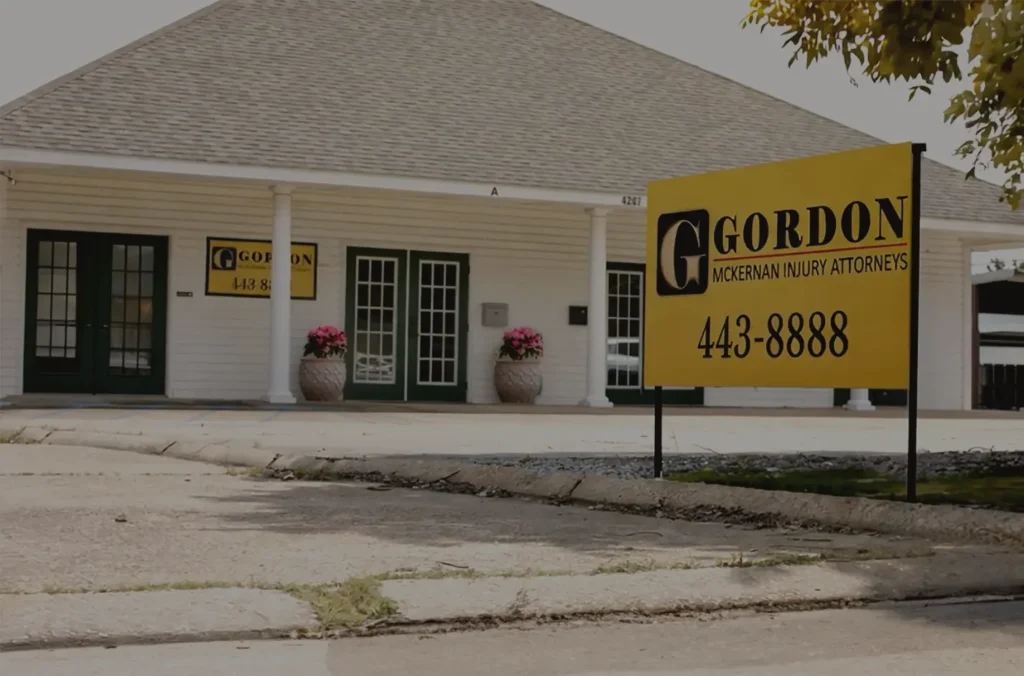

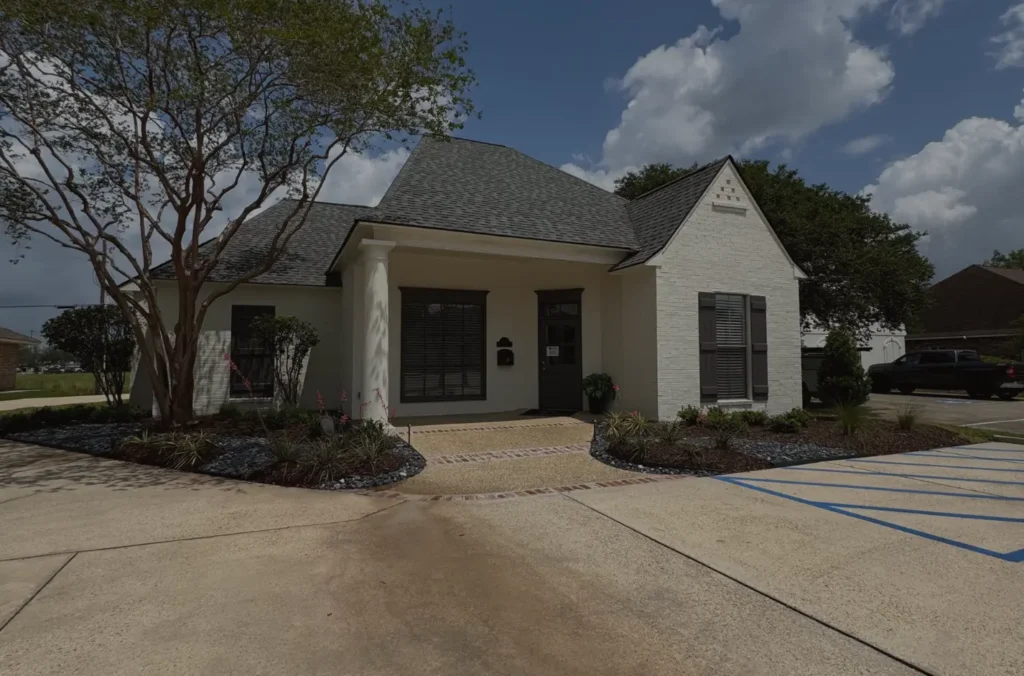
Denham Springs Office
163 Del Orleans Ave., Denham Springs, LA 70726
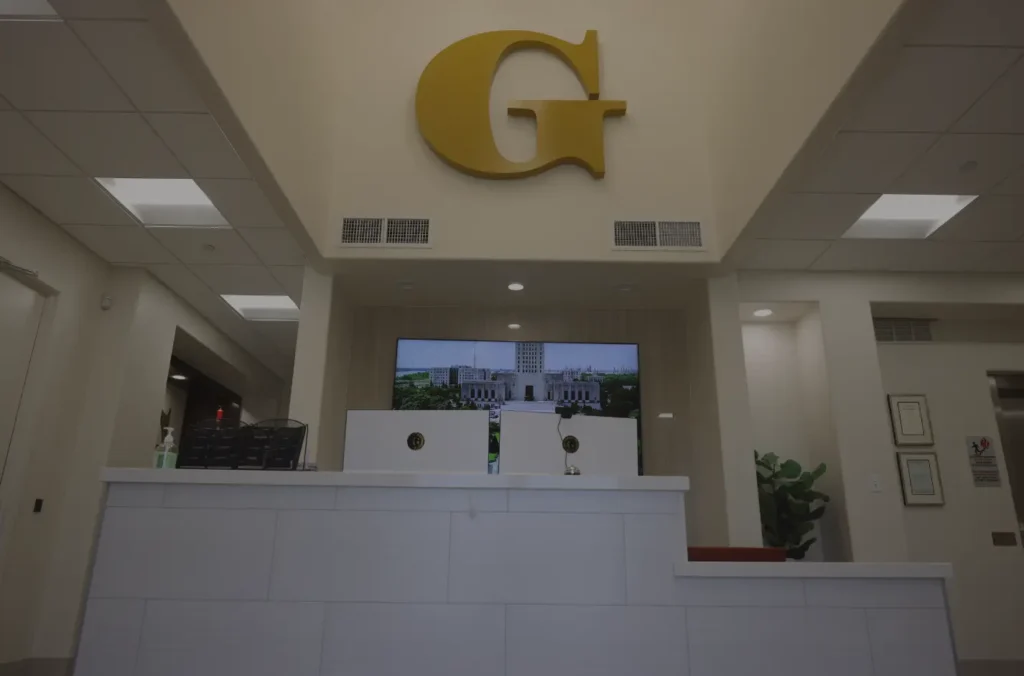
Gonzales Office
220 S. Burnside Ave. Gonzales, LA 70737
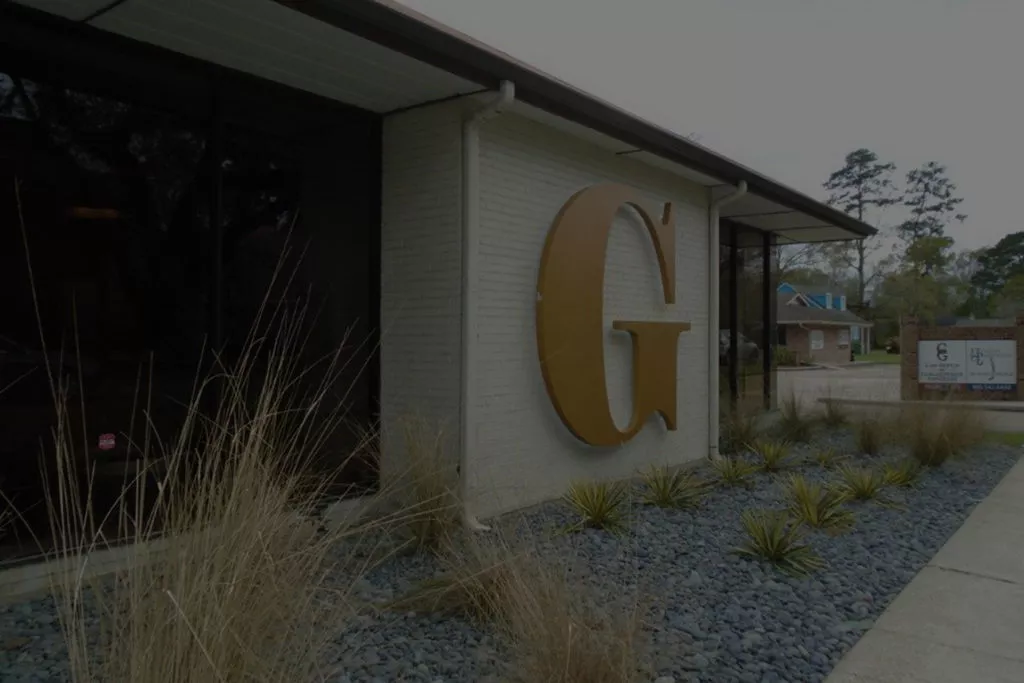
New Orleans Office
3900 Veterans Memorial Blvd. STE 300 Metairie, LA 70002
Zachary Office
4361 Main St. Zachary, LA 70791
© 2026 Gordon McKernan Injury Attorneys.