
Experienced Lawyers In Louisiana


Common Questions About “Lost Wages”
Lost wages are any funds that you could have earned, if not for your personal injury that prevents you from working. Usually, this term only refers to the money you could have earned between when you were injured and when you’re compensated.
Your lost wages claim can cover a number of possibilities. Maybe you missed work due to medical issues or a hospital stay, or you had to stay home due to your injury. Lost wages also cover work missed due to a mental health crisis caused by the accident, such as PTSD, depression, or anxiety.
What Are Lost Wages?
Lost wages refer to the income you would have earned if your injury hadn’t prevented you from working. This typically covers the period from the date of the accident until you reach a settlement or a jury award.
A comprehensive claim covers more than just your base salary. It can include:
- Missed overtime and bonuses
- Commission payments
- Sick leave or vacation days used for recovery
- Work missed due to mental health crises (such as PTSD, depression, or anxiety) caused by the accident
How to Calculate Lost Wages
Calculating your losses is generally straightforward for traditional employees, but becomes more nuanced for those with fluctuating income.
For Hourly and Salaried Employees
If you are an hourly employee, the formula is:
Hourly Rate x Hours Missed = Total Lost Wages
For salaried employees, we calculate your hourly rate by dividing your annual salary by 2,080 (the standard number of work hours in a year).
For the Self-Employed
If you are self-employed or a contractor, proving lost wages is more complex. You must account for lost clients, missed contracts, and “lost opportunity” costs. We often use tax returns, bank statements, and 1099 forms from previous years to establish a baseline for your projected earnings.
For Healthcare Workers
For healthcare workers, lost wages can be more complex due to variable schedules and additional pay like shift differentials, overtime, and extra shifts. Per diem, PRN, or travel nurses may also need to account for missed contracts or average earnings based on past work history.
Because of these multiple income sources, a detailed calculation is essential. Contacting a nurse worker’s compensation lawyer can help ensure all lost wages are accurately calculated and fully recovered.
What Is “Lost Income Potential?”
While “lost wages” looks at what you’ve already missed, lost income potential (or lost earning capacity) looks at the future. If a permanent disability prevents you from returning to your previous career or accepting promotions, you are entitled to compensation for that lifelong financial gap.
Because this involves forecasting years of raises, inflation, and career growth, it is a highly technical calculation. An experienced personal injury lawyer often works with economic experts to ensure your settlement covers your needs for the rest of your life.
Do I Qualify for Workers’ Compensation or Disability?
Depending on where your accident occurred, you may have different avenues for lost wages compensation:
- Workers’ Compensation for Lost Wages: If you were injured on the job, you likely qualify for temporary disability pay. This is a “no-fault” system designed to get you paid quickly, though it usually only covers a portion of your actual salary.
- Social Security Disability Insurance (SSDI): If your injury results in a long-term disability (lasting 12 months or more), you may qualify for SSDI. You generally need to have worked for at least 10 years to accrue enough “credits” to be eligible.
Note: Even if you receive these benefits, they rarely cover the full scope of your damages. A private personal injury lawsuit is often necessary to bridge the gap.
How to Prove Lost Wages After an Injury
Insurance companies are businesses; their goal is to minimize payouts. A common tactic is to claim your injuries weren’t severe enough to warrant time off work. To fight back, you need documented evidence:
- Medical Records: Consistent documentation from your doctor stating that you are physically or mentally unable to perform your job duties.
- Employer Verification: A letter from your supervisor confirming your pay rate and the exact hours you missed.
- Expert Testimony: In complex cases, medical and vocational experts can testify about the necessity of your time away from the workforce.
Frequently Asked Questions (FAQ)
What are the main factors considered when calculating lost wages?
The primary factors include your base pay, the duration of your absence, lost benefits (like 404k contributions), and any missed bonuses or scheduled raises that would have occurred during your recovery.
Can I claim lost wages if I am self-employed?
Yes. While it requires more documentation (like profit and loss statements and previous tax filings), you are legally entitled to compensation for the income you lost while unable to run your business.
How do I prove that my injury caused me to miss work?
The most effective way is a “disability slip” or a formal letter from your treating physician explicitly stating that your injuries make it unsafe or impossible for you to return to work.
When Should I Call a Lost Wage Lawyer in Louisiana?
The sooner you act, the easier it is to preserve evidence and track your losses. If you’re struggling with personal injury compensation, call the team at Gordon McKernan Injury Attorneys at 888.501.7888 for a free consultation.
When you hire us for your car crash lost wages case, we handle the paperwork and the insurance adjusters so you can focus on healing. Remember the G Guarantee: we don’t get paid unless you win.

Injured? Get a FREE Consult Now!
Let Our Team Fight For You!
If you or a loved one has been injured, don't wait— contact Gordon McKernan Injury Attorneys today for a free consultation. Our team is ready to fight for you and secure the compensation you deserve.
With over 30 years of experience, a proven track record of success, and a commitment to client care, we are the best personal injury attorneys in Louisiana to handle your case.
Call us now or fill out our online form. No Fee Unless We Win!
Your Case Matters—Let's Get It Done!
Office Locations
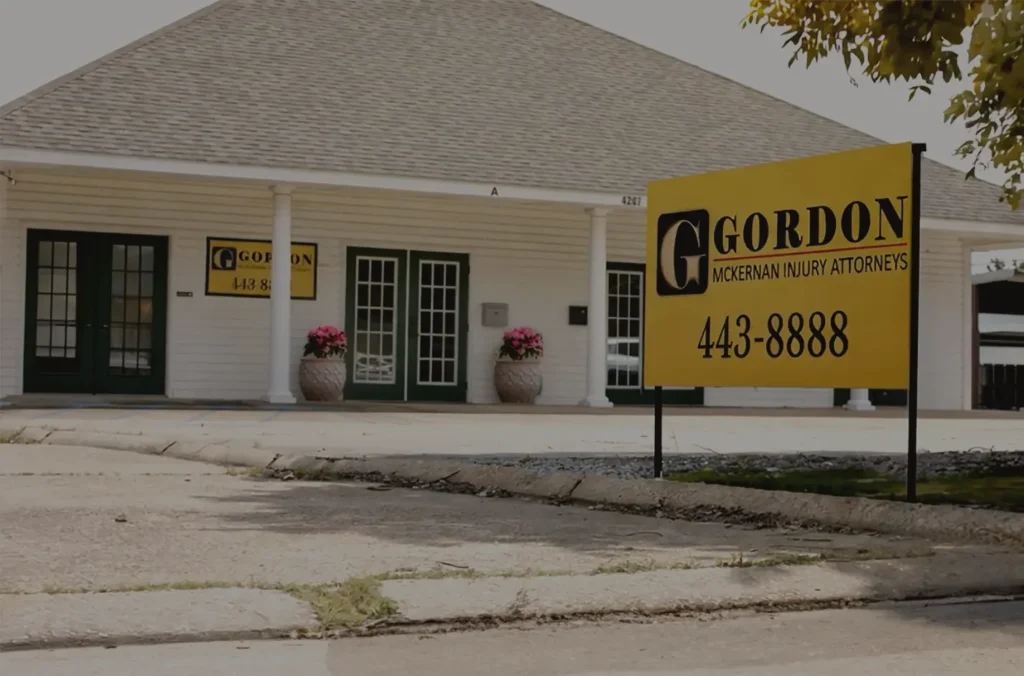

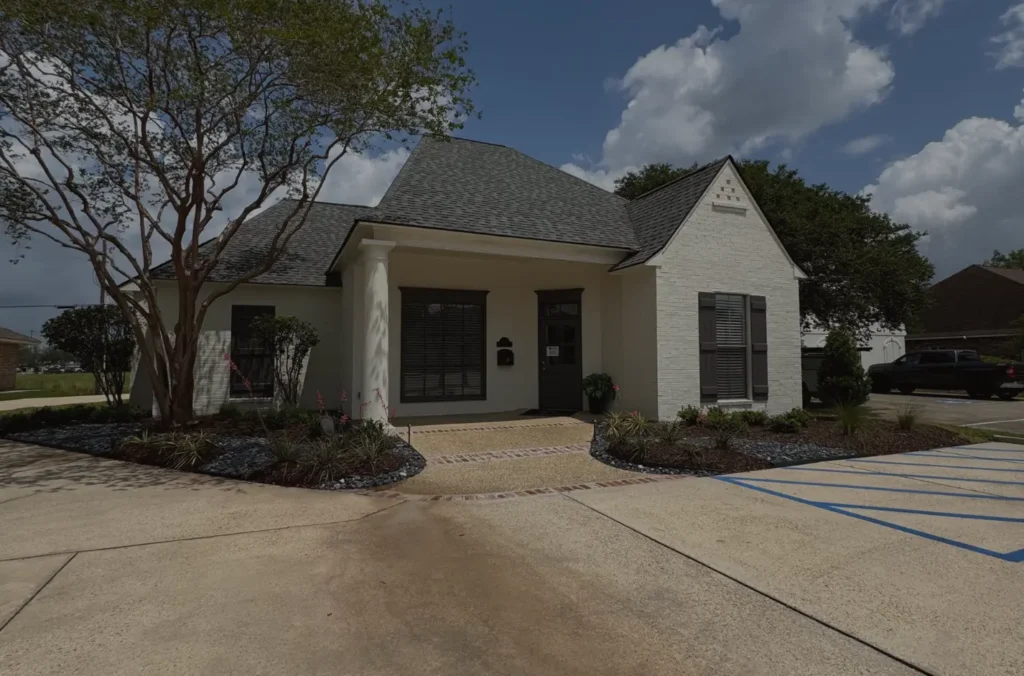
Denham Springs Office
163 Del Orleans Ave., Denham Springs, LA 70726

Gonzales Office
220 S. Burnside Ave. Gonzales, LA 70737



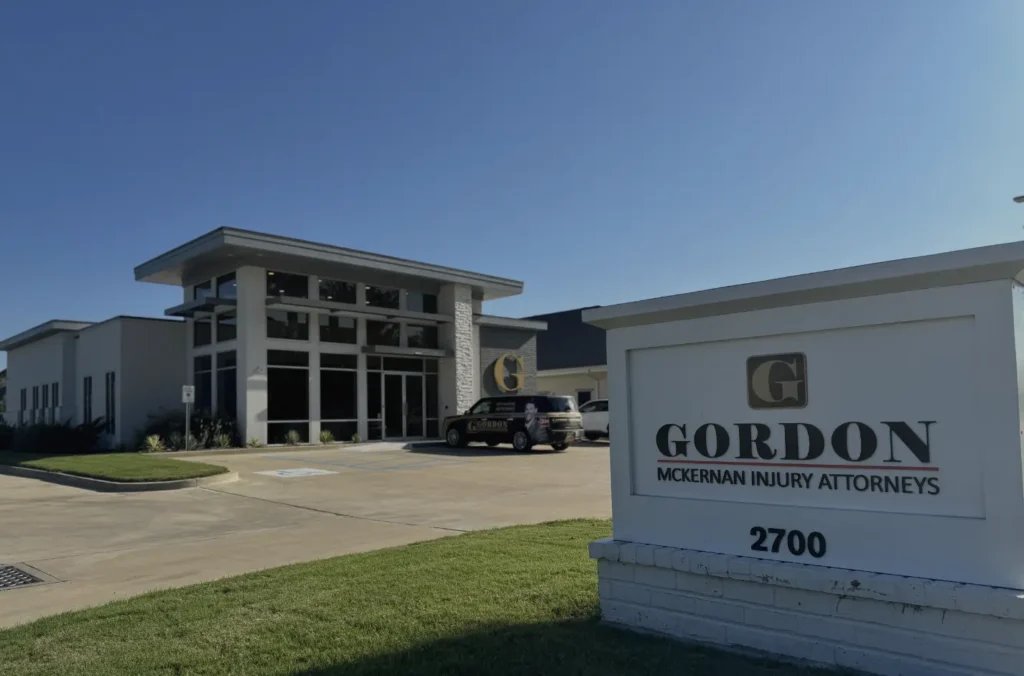
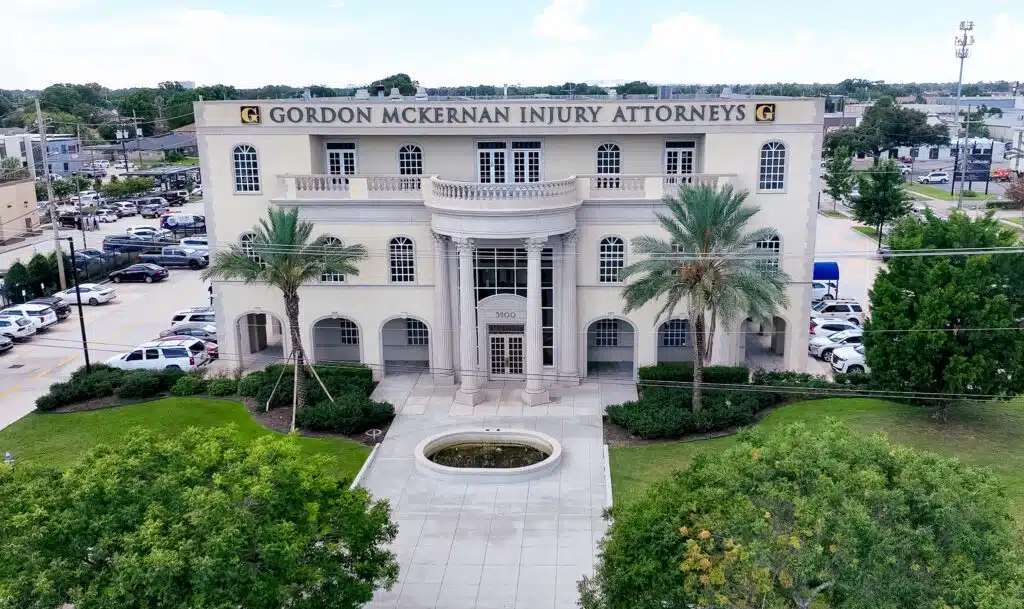
New Orleans Office
3900 Veterans Memorial Blvd. STE 300 Metairie, LA 70002


Zachary Office
4361 Main St. Zachary, LA 70791
© 2026 Gordon McKernan Injury Attorneys.