
Experienced Lawyers In Louisiana


The Insurance Adjuster Keeps Calling Me After My Accident. What Should I Do?
Your phone keeps ringing. Same number. Same insurance company.
It’s been a few days since the accident, and now an adjuster is calling every other day asking questions, requesting a statement, maybe even dangling a quick settlement. It feels urgent. It feels like you need to answer.
You don’t.
Many people wonder what to say, or whether they should say anything at all, when an insurance adjuster keeps calling after a car accident. Knowing how to respond can help protect your accident insurance claim.
If an insurance adjuster keeps calling you after an accident, do not give a recorded statement, do not admit fault, and do not accept any settlement offer before speaking with a personal injury attorney. The adjuster works for the insurance company, not for you. Their goal is to settle your claim for as little as possible.Here’s what’s actually happening and what you should do instead.
Who Is an Insurance Adjuster, Really?
Insurance adjusters have one job: protect the insurance company’s bottom line.
They’re trained professionals. Some are friendly, patient, even sympathetic. But make no mistake: they are not working for you. Their job is to gather information, assess your claim, and find every possible reason to pay you less.
The faster they can close your claim, the better it is for their employer. That’s the whole game.
That doesn’t make them villains. It just means their interests and yours are not aligned. Knowing that changes how you handle every call.
Should You Ignore Every Insurance Adjuster?
Not necessarily. If the adjuster works for the other driver’s insurance company, you are generally not required to provide a recorded statement or discuss the details of the accident. If your own insurance company is calling, however, your policy may require reasonable cooperation. Before answering detailed questions, it’s wise to understand your rights and, when appropriate, speak with an attorney first.
Why Are They Calling So Often?
There are a few reasons an adjuster might be persistent right after a crash.
First, they want to catch you off guard. Right after an accident, you’re still shaken up. You may not have a full picture of your injuries yet. You might say something that seems harmless but ends up limiting your claim later.
Second, the clock is ticking for them. The longer your case drags out, the more evidence you might gather, the more medical records pile up, and the stronger your position gets. An early settlement locks you in before you know the full extent of your damages.
Third, a quick call can feel routine. Many people don’t realize they have the right to say very little or nothing at all.
What You Should and Shouldn’t Say
This is where most accident victims slip up without knowing it.
Don’t say: “I’m doing okay” or “I’m feeling better.” Even an offhand comment about your health can be used to argue your injuries weren’t serious.
Don’t say: “The accident happened so fast, I’m not sure what I did.” Any hint of uncertainty about your own actions gives the adjuster room to shift blame.
Don’t say: “I think I’m fine, I just want to get this settled.” This signals you’re willing to take a fast, low offer.
Keep it simple if you have to pick up at all. You can give your name, confirm the accident happened, and say you are represented by or are consulting with an attorney. That’s it. You are under no legal obligation to give a recorded statement to the other driver’s insurance company.
Once you have legal representation, insurance companies generally communicate through your attorney rather than contacting you directly. All communication can go through your attorney instead.
Never Accept the First Settlement Offer
It’s going to sound reasonable. Maybe even generous.
It’s not.
Initial settlement offers are almost always low. The insurance company makes that offer before you’ve completed medical treatment, before you know whether you’ll need surgery or physical therapy, and before anyone has calculated your lost wages or long-term pain and suffering.
Once you accept a settlement and sign a release, that’s it. You cannot go back for more money later, even if your condition worsens or new injuries surface.
Don’t sign anything until a personal injury attorney has reviewed the offer and your full situation.
Common Insurance Adjuster Tactics After an Accident
Insurance adjusters handle claims every day. While many are professional and courteous, remember that they work for the insurance company—not for you. Their goal is to gather information, evaluate the claim, and resolve it as efficiently and cost-effectively as possible.
Some common tactics you may encounter include:
- Requesting a recorded statement early. The adjuster may say it’s a routine part of the claims process, but your answers could later be used to dispute liability or minimize your injuries.
- Offering a quick settlement. An early offer may seem tempting, especially if medical bills are piling up, but it often comes before the full extent of your injuries and damages is known.
- Asking leading or repetitive questions. Questions may be phrased in different ways to look for inconsistencies or statements that could reduce the value of your claim.
- Downplaying your injuries. If you mention you’re “feeling okay” or “doing better,” the insurance company may argue that your injuries aren’t as serious as your medical records indicate.
- Requesting broad medical authorizations. Some insurers ask accident victims to sign forms giving them access to extensive medical records. Before signing anything, it’s important to understand exactly what information is being requested.
- Creating a sense of urgency. You may be told that you need to act quickly or risk losing an opportunity to settle. In most cases, taking the time to understand your injuries and your legal options is in your best interest.
The best way to protect yourself is to keep your communication brief, avoid discussing fault or your medical condition in detail, and speak with a personal injury attorney before providing recorded statements or accepting any settlement offer.
Do Not Give a Recorded Statement
This is one of the most common mistakes accident victims make.
The adjuster may frame it as a routine step, something you have to do to move the process forward. That’s not true. Recorded statements are entirely voluntary, and they are almost always used against you.
Adjusters are trained to ask questions in a specific sequence. They might ask how fast you were going, whether you saw the other car, or if you had time to react. These questions are designed to plant seeds of doubt about your account of the accident.
Even if you tell the truth completely, your phrasing can be taken out of context or used to contradict other evidence later. There is no upside to giving a recorded statement without your attorney present.
What to Do Right Now
Here’s a clear, short list of the steps that protect you:
- Document everything. Photos of the scene, damage, and injuries. Write down what you remember while it’s fresh.
- Seek medical care immediately and follow through on all recommended treatment. Gaps in care hurt claims.
- Keep records. Every bill, every appointment, every day you missed work.
- Don’t post about the accident on social media. Adjusters and defense teams check these.
- Call an attorney before you say anything else to the insurance company.
Understanding your rights under Louisiana car insurance laws is also worth your time. Louisiana is a fault-based state, which means the driver who caused the crash is responsible for damages. That makes what you say to adjusters even more consequential.
What If It’s Your Own Insurance Company Calling?
This is a fair question and one that trips people up.
Your own insurance policy likely includes a cooperation clause. That means you do have certain obligations to cooperate with your own insurer. However, even here, the details matter.
You still should not make statements that could be misconstrued. You still have the right to have an attorney help you communicate with your own carrier. And you should absolutely avoid giving recorded statements until you understand what your policy requires.
If you were in a car accident, our car accident lawyers can walk you through exactly what your policy obligations are and how to satisfy them without hurting your claim.
When a Truck Is Involved, the Stakes Are Higher
Crashes involving 18-wheelers or commercial trucks are a different situation entirely.
Trucking companies often have response teams that move fast after a serious accident, preserving evidence, taking statements, and protecting themselves. An insurance adjuster for a trucking company is dealing with potentially very large claims and has strong incentive to minimize your payout.
If you were in a crash involving a commercial vehicle, contact our truck accident lawyers as soon as possible. Speed matters.
Gordon McKernan Is Ready to Handle the Calls for You
You shouldn’t have to spend your recovery time fielding calls from an insurance company. We handle that.
At Gordon McKernan Injury Attorneys, our team of experienced personal injury lawyers knows exactly how insurance adjusters operate. We’ve seen every tactic. We know what your claim is actually worth. And we fight to make sure you get it.
We don’t get paid unless you win. That’s our promise. Call us at (888) 501-7888 or reach out online for a free consultation. Stop answering those calls. Let us handle it.
The content on this page is for general informational purposes only and does not constitute legal advice. Results may vary based on the specific facts and circumstances of each case. Contact Gordon McKernan Injury Attorneys for advice specific to your situation.

Injured? Get a FREE Consult Now!
Let Our Team Fight For You!
If you or a loved one has been injured, don't wait— contact Gordon McKernan Injury Attorneys today for a free consultation. Our team is ready to fight for you and secure the compensation you deserve.
With over 30 years of experience, a proven track record of success, and a commitment to client care, we are the best personal injury attorneys in Louisiana to handle your case.
Call us now or fill out our online form. No Fee Unless We Win!
Your Case Matters—Let's Get It Done!
Office Locations
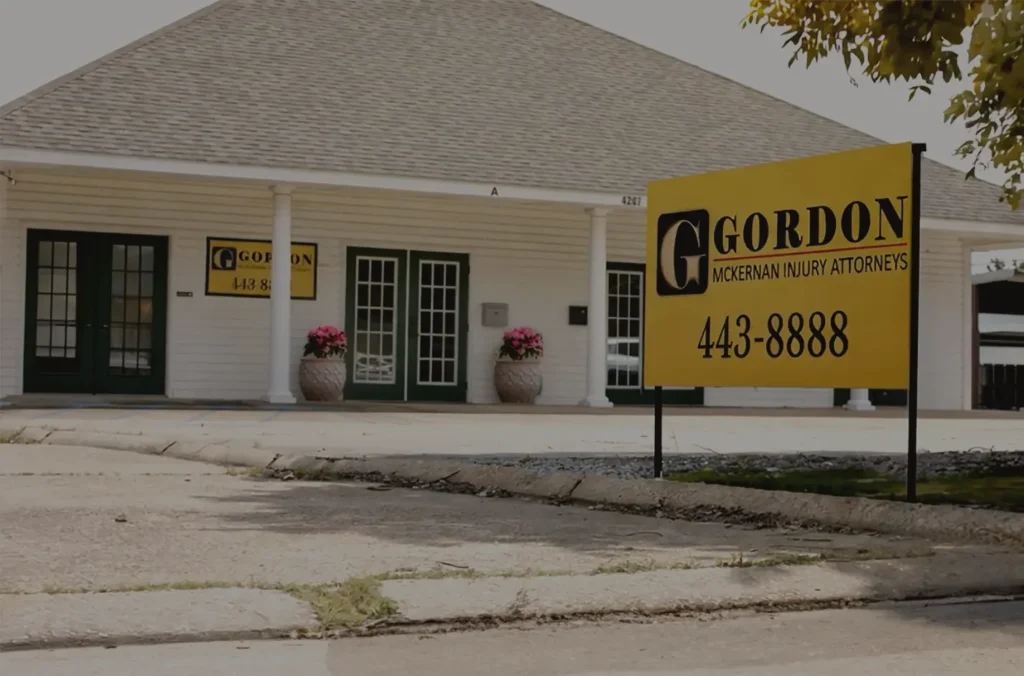
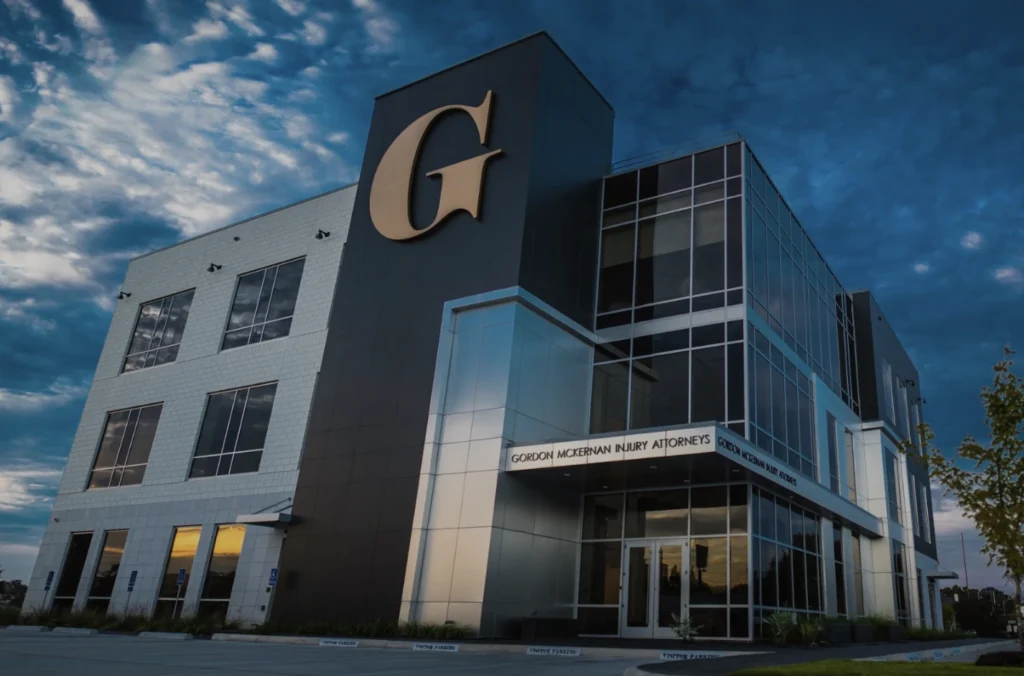
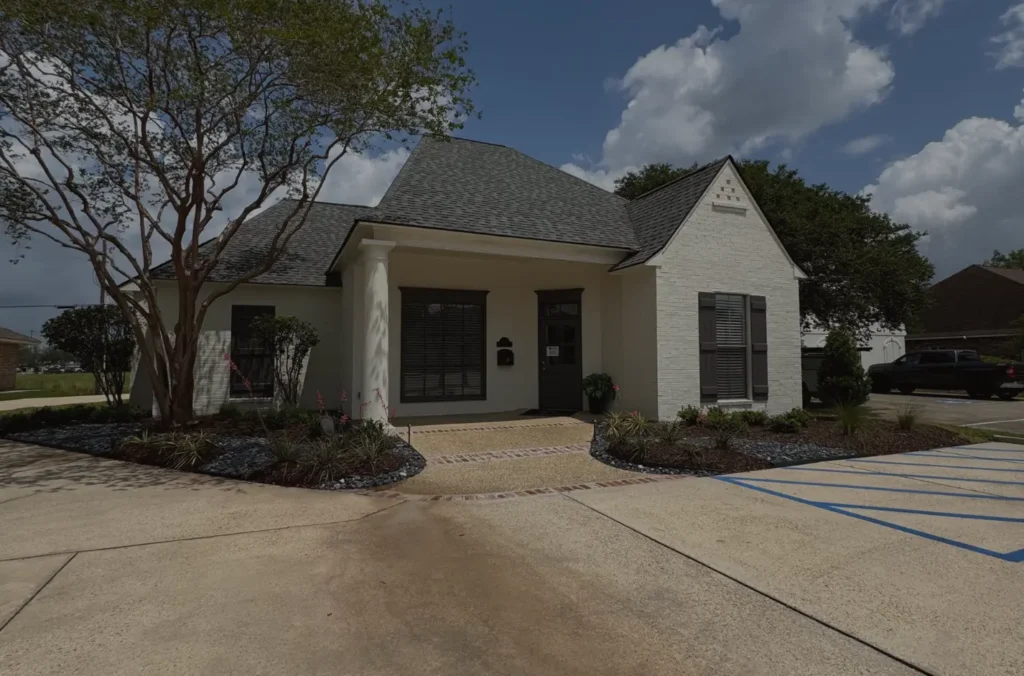
Denham Springs Office
163 Del Orleans Ave., Denham Springs, LA 70726
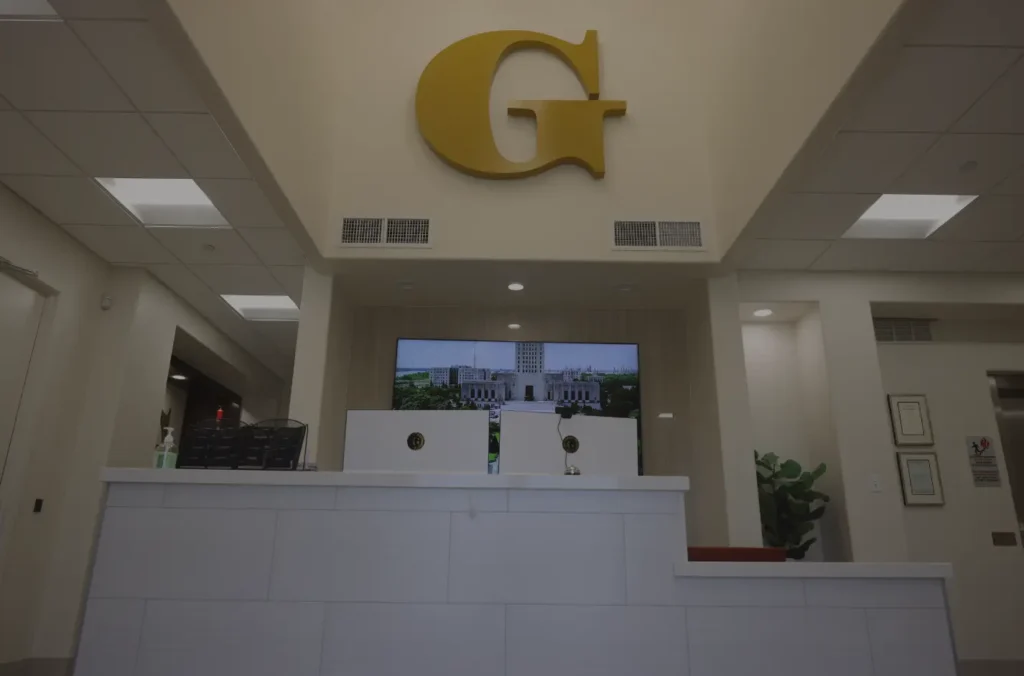
Gonzales Office
220 S. Burnside Ave. Gonzales, LA 70737
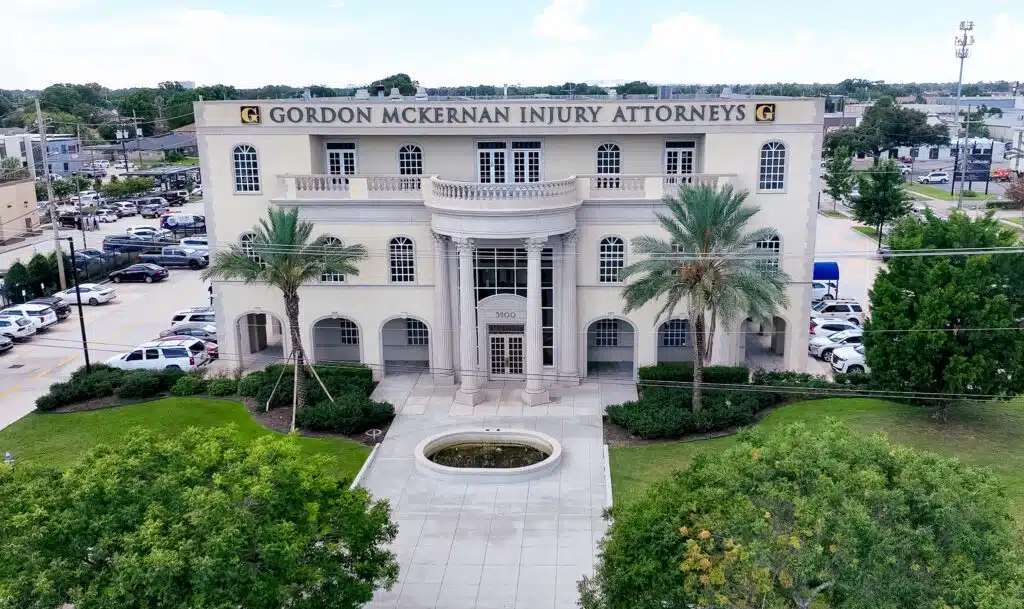
New Orleans Office
3900 Veterans Memorial Blvd. STE 300 Metairie, LA 70002
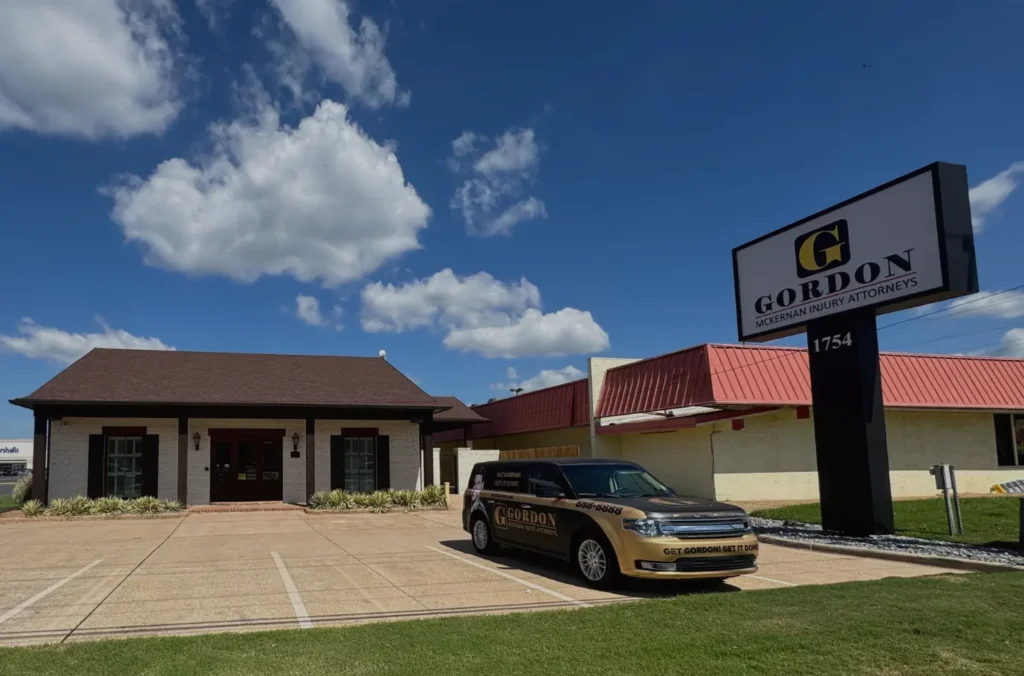

Zachary Office
4361 Main St. Zachary, LA 70791
© 2026 Gordon McKernan Injury Attorneys.